スリーク・インターナショナル
バランス
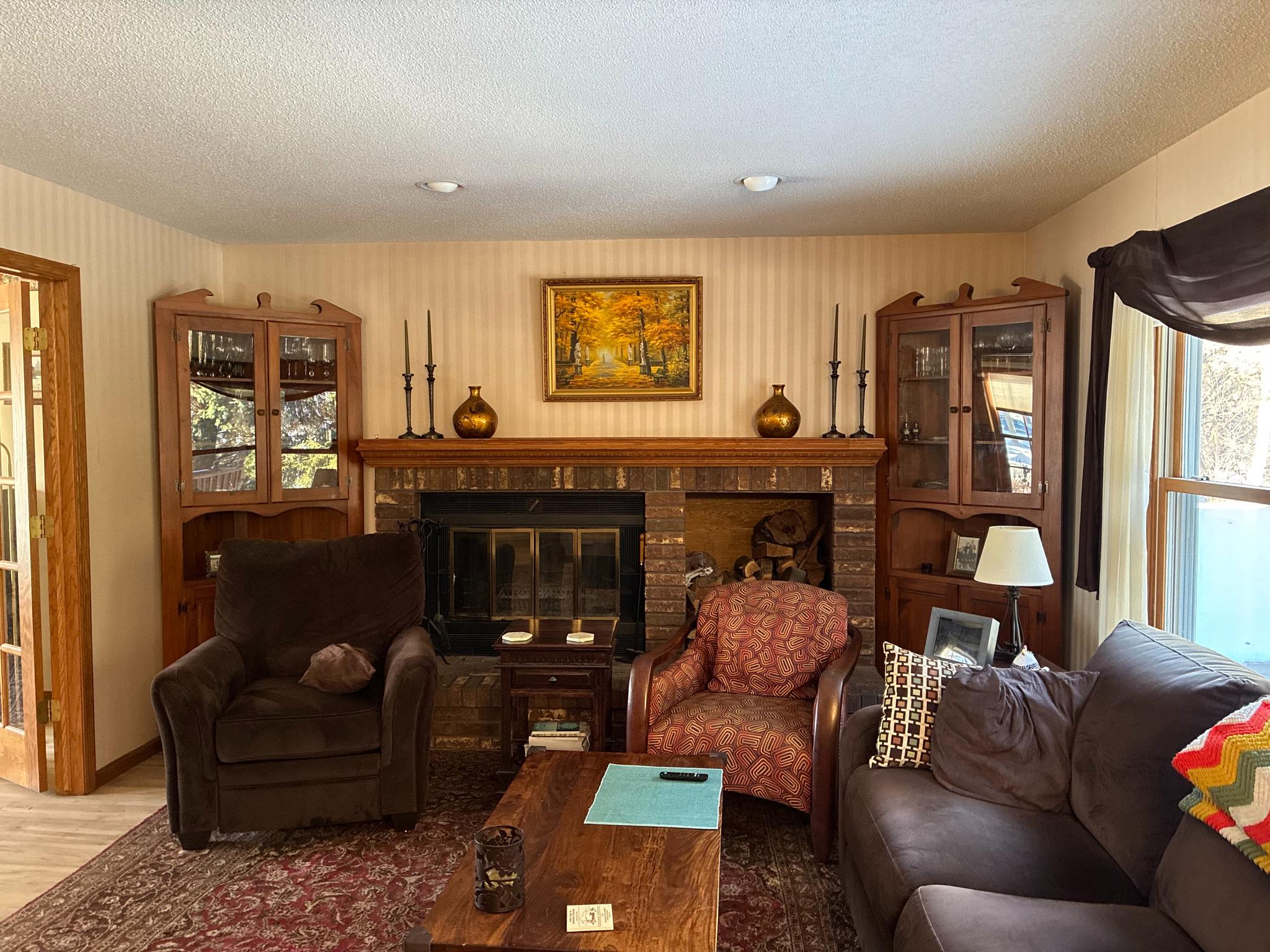
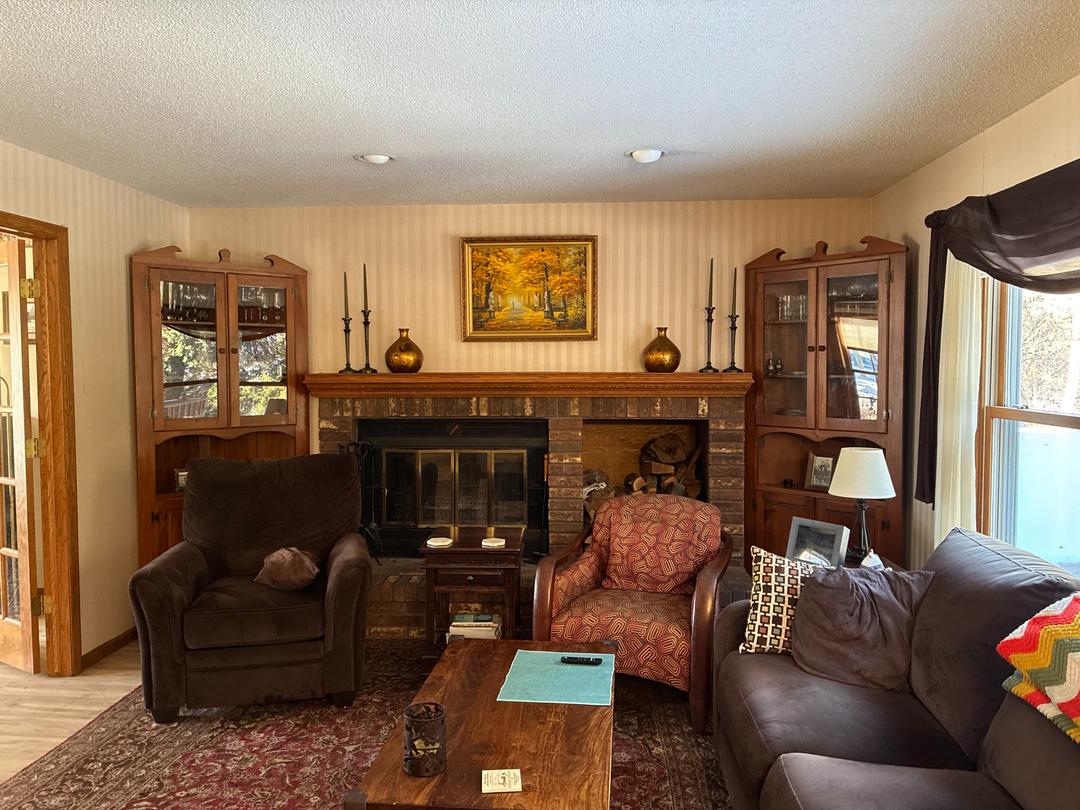

An incredibly lifelike, richly detailed, photorealistic interior photo of a living room set in a tranquil single-family home. The scene is illuminated by the soft, diffused glow of late afternoon sun streaming in from a large window, creating a serene and contemplative atmosphere. Captured with a wide-angle lens, emphasizing the organic textures of limewash walls and the sleek lines of minimalist furniture. Reimagining this space through a Japandi lens, with organic minimalist and Wabi Sabi influences, we'd first transform the walls from their current striped wallpaper to a breathable, textured limewash in a warm, muted off-white or a pale greige. This would immediately soften the room, embracing the beauty of imperfection inherent in Wabi Sabi. The dominant fireplace would be streamlined; perhaps clad in large, unpolished natural stone slabs or a honed dark basalt, its hearth simplified to create a cleaner, more refined focal point. The existing furniture feels a bit heavy and dated. We'd swap the dark brown recliners and sofa for pieces with more delicate, natural profiles. Imagine a low-slung, modular sofa upholstered in a tactile, slubby linen in a natural ecru or a muted sage green. The patterned armchair would be replaced by a sculptural, solid ash or walnut wood chair with clean lines, perhaps upholstered in a cream boucle or a subtly textured, undyed wool. The corner cabinets, while offering storage, disrupt the visual flow; they'd be removed and replaced by thoughtfully placed, open-shelf units in a dark, matte wood, displaying a curated selection of ceramic art, handcrafted wooden bowls, and a few well-loved books. Lighting would shift from harsh overhead spots to a layered approach. We'd incorporate a minimalist, dimmable floor lamp with an linen shade, perhaps a pendant light with an organic, handcrafted ceramic diffuser echoing the Wabi Sabi aesthetic, and strategically placed accent lights to highlight art or architectural features. The traditional rug would be replaced with a natural fiber rug, such as jute or sisal, or a hand-knotted wool rug in a subtle, abstract pattern or a solid, earthy tone. Decorative elements would be minimal and intentional: a large, abstract ceramic vase with a single, sculptural branch, a hand-thrown ceramic bowl, and perhaps a piece of framed, textured paper art. The overall composition would emphasize balance and negative space, allowing each element to breathe. The furniture arrangement would facilitate conversation and a sense of calm, perhaps a U-shaped seating area around a minimalist, low-profile coffee table made of reclaimed wood or concrete. The coffee table would hold fewer, more impactful items: a single ceramic tray, a stack of art books, and a natural beeswax candle. The exterior view, currently a bit obscured, would be enhanced. Imagine the window frames are sleeker, perhaps black or a dark, natural wood, and the drapery is replaced with simple, sheer linen curtains that allow maximum natural light. Through the window, we’d envision a serene garden with Japanese maples, moss-covered stones, and perhaps a glimpse of a calm water feature, reinforcing the connection to nature. The time of day would remain this golden hour, where long shadows cast a warm, inviting glow, and the textures of the limewash walls seem to deepen and shift. The atmosphere is one of profound tranquility, a sanctuary of mindful living where materials, light, and form converge to create a space that is both aesthetically refined and deeply comforting. The proportions of the room would be respected, with furniture scaled appropriately to avoid feeling cramped or overwhelming, ensuring a sense of harmony and human-centric design.